
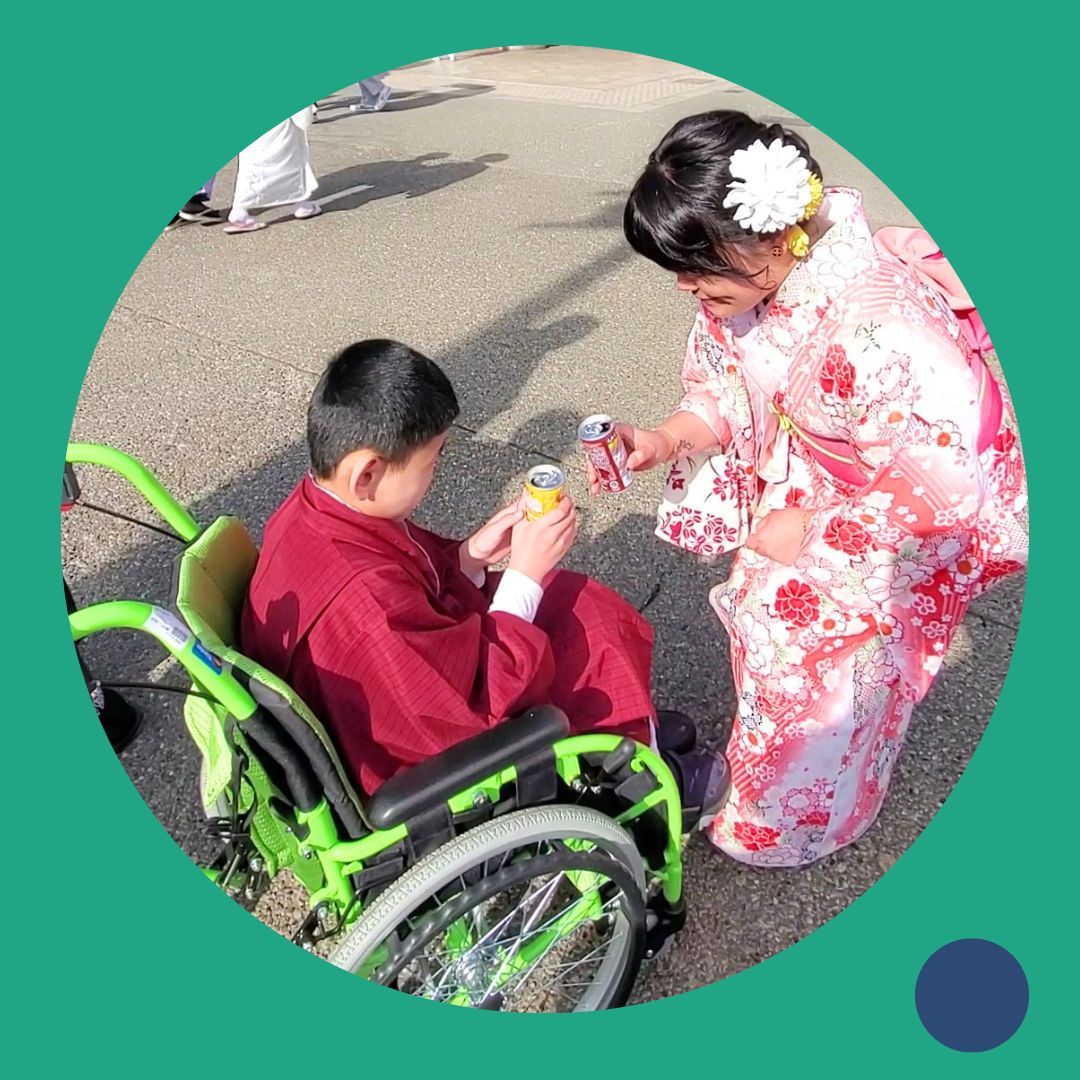
Explore Japan wheelchair-friendly! From Tokyo Disneyland to Fushimi Inari and Arashiyama Bamboo Grove — tips, highlights, and what worked for us.
When people think about accessibility in Japan, they often think about trains and logistics.
But beyond transport, what really matters is this:
Can we actually enjoy the experience?
As a family traveling with a wheelchair, we weren’t just looking for step-free paths. We were looking for joy. Atmosphere. Shared moments. Places where accessibility didn’t overshadow the magic.
Here are some of the wheelchair-friendly experiences we genuinely loved across Japan — and our honest thoughts on each.
✨ Tokyo Disneyland
What worked
Disney does accessibility well — and Tokyo Disneyland was no exception.
- Clear accessibility guidelines
- Staff who calmly explain ride procedures
- Alternative entrances for certain attractions
- Smooth pathways throughout the park
- Accessible toilets widely available
The park layout is relatively flat, making it manageable for a full day at a slower pace.
What required extra planning
- Arrive early to avoid peak crowds.
- Check ride transfer requirements ahead of time.
- Plan rest breaks — it’s still a long day.
Would we recommend it?
Absolutely. It was joyful and inclusive. Our son loved taking pictures with the characters
🌊 Tokyo DisneySea
DisneySea is visually stunning, the only 1 in the world and we loved the Fantasy Spring area.
What worked
- Thoughtful staff assistance
- Clear guidance on which attractions are wheelchair-accessible
- Designated viewing areas for shows
What required extra planning
DisneySea has more slopes and elevation changes than Disneyland. While ramps are available, the terrain is less flat overall.
Energy management was key here.
Would we recommend it?
Yes — especially for older kids and adults who appreciate immersive design.
Just pace yourself.
🎢 Universal Studios Japan
Located in Osaka, Universal Studios was another highlight, especially because our son loves Super Mario.
What worked
- Staff clearly explain accessibility policies
- Certain rides allow wheelchair users with transfers
- Wide main pathways
- Plenty of accessible restrooms
What required extra planning
- Some attractions have stricter transfer rules.
- It helps to review ride requirements online before your visit.
- Express passes can help conserve energy, but we didn't buy any. Staff was helpful in suggesting single rider queue and we used this for Mario Kart: Koopa's Challenge ride, so we waited 45 minutes instead of 1.5 hours
Would we recommend it?
Yes — especially if your family loves movie-themed attractions.
⛩️ Fushimi Inari Taisha (Honest Thoughts About the Slopes)
This iconic shrine in Kyoto is famous for its endless torii gates — and it’s breathtaking.
What worked
The lower shrine area is accessible
What required extra planning
The path becomes increasingly steep as you ascend the mountain.
Gravel sections and slopes make the upper portions challenging with a wheelchair. We chose to enjoy the lower section fully and not attempt the full hike.
Would we recommend it?
Yes — but with realistic expectations.
You don’t need to climb the entire trail to experience the beauty. The lower pathways are still magical.
🎋 Arashiyama Bamboo Grove
It was very crowded during peak hours, which makes maneuvering slower and harder.
Hilly and we wouldn't recommend it. Possibly best to look for a quieter area with less hills.
🏬 Japanese Department Stores (An Unexpected Accessibility Win)
One of the most underrated accessible experiences in Japan?
Department stores.
Across cities like Tokyo, Kyoto and Osaka, we were consistently impressed.
What worked
Spacious lifts (often multiple lifts per store)
Clearly marked accessible toilets
Dedicated disabled lift buttons in some locations
Smooth flooring and wide layouts
Basement food halls that are easy to navigate
These spaces felt thoughtfully designed and calm — perfect for rest breaks.
Final Thoughts
Japan blends modern infrastructure with deeply preserved history. Not every ancient temple will be fully accessible — and that’s understandable.
In theme parks, public attractions and even everyday department stores, accessibility felt considered rather than added on.
Traveling with a wheelchair in Japan didn’t take away from the experience.
If anything, it slowed us down in the best way.
We chose our moments.
We paced our days.
We focused on what we could do.
And that made the experiences even more meaningful.

For more information about accessibility, My CP Guide hosts a variety of information resources. Browse the Accessibility section on My CP Guide to find other relevant resources.