
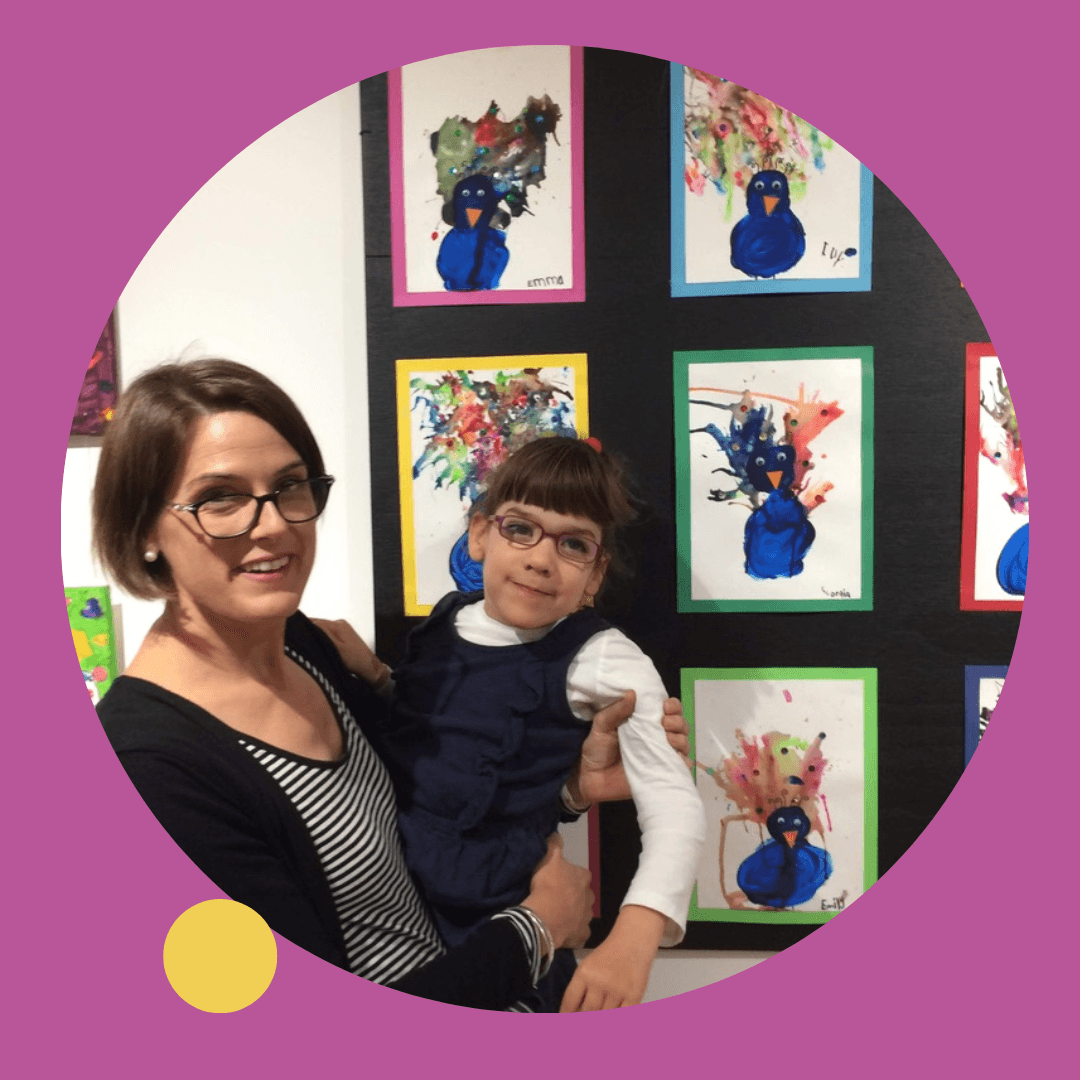
Why the NDIS Matters: Ivy’s Story
As the mother of Ivy, a young person with cerebral palsy, I have seen firsthand the difference the NDIS can make in creating opportunities, supporting participation and building independence.
Ivy uses a powered wheelchair and requires significant physical support for daily living. She is also a teenager with strong interests, friendships, school goals, choir, drama, work experience and a future that should not be reduced to a care roster.
The NDIS has been central to Ivy’s ability to participate in ordinary life. It has not made her disability disappear. It has helped remove enough barriers for her to attend boarding school, take part in community activities, develop independence, and be seen as a young person with potential rather than only as a child with high support needs.
That distinction is important. Ivy can appear to be doing well because a great deal of support has been put around her. Her wheelchair, carers, therapy, equipment, routines, transport arrangements, school adjustments and family advocacy all work together. If those supports are removed or capped, the successful outcome disappears. It would be a serious mistake for decision-makers to look at a young person like Ivy and conclude that, because she is participating, her need has reduced. Participation is the evidence that the supports are working.
I am particularly concerned about proposals that allow broad funding reductions or caps to categories such as community participation, therapy, support intensity or worker-to-participant ratios. For Ivy, community participation is not recreational luxury. It is how she builds confidence, social connection, communication, employment readiness, safety awareness and independence. As she becomes an adult, I expect Ivy will work to support herself nad the family she hopes to have, but continue to need very substantial support, possibly close to round-the-clock physical support depending on her living arrangements. A sustainable NDIS must plan honestly for lifelong disability, not pretend that support needs end when a child turns 18.
I am also deeply concerned about the increased emphasis on parental responsibility. Parents of children with significant disability already provide enormous unpaid support. In my case, supporting Ivy to flourish has affected my ability to participate in paid work. I could do less. Ivy would probably survive. But she would not flourish. There is a real difference between keeping a child safe and giving that child the support needed to build a meaningful, connected and independent life.
A strong NDIS should not assume that families can simply absorb more. It should recognise that family support is finite, and that relying too heavily on unpaid parental care can damage the wellbeing, employment and financial security of the whole family. It can also limit the young person’s independence from their parents, which is especially important as they move toward adulthood.
I also support sensible regulation of providers. There are clearly providers who have exploited the scheme and exploited people with disability. That should be dealt with firmly. However, mandatory registration needs to be designed carefully. Families in regional areas often rely on flexible, informal and relationship-based support arrangements. For a person like Ivy, being able to engage reliable support workers in a way that suits both the participant and the worker is not a loophole; it is often the only practical way to build consistent care.
If registration becomes too complex, expensive or bureaucratic, it may push good small providers and independent workers out of the market. That would reduce choice and control and may increase costs by forcing families toward larger providers with higher overheads. The original promise of the NDIS included flexibility, self-direction and the ability to build supports around the individual. Those principles should not be lost.
From a sustainability perspective, I strongly support action against fraud, overcharging, inflated invoices and poor-quality providers. But sustainability should not be achieved by cutting the supports that allow participants to live, learn, work and participate. Before reducing participant budgets, government should look very carefully at provider pricing, over-servicing, excessive overheads, misuse of plan management, and whether maximum hourly billing limits are allowing too much money to be absorbed by provider systems rather than reaching the person with disability.
The goal should not be the cheapest version of survival. The goal should be a fair, efficient and accountable scheme that gives people with cerebral palsy the support they need to build real lives.
For Ivy, a sustainable NDIS means a scheme that will still be there when she is an adult. But it also means a scheme that understands lifelong disability, family limits, regional realities, and the importance of participation. The goal should not be the cheapest version of survival. The goal should be a fair, efficient and accountable scheme that gives people with cerebral palsy the support they need to build real lives.
I urge decision-makers to protect individualised planning, meaningful choice and control, community participation, family sustainability, and lifelong support for people with permanent disability such as cerebral palsy.

