
How the NDIS Helped Me Reclaim My Independence
When my youngest child no longer needed a pram, I suddenly realised how much my mobility had declined.
Without it, I could no longer walk safely. My balance and coordination had deteriorated to the point where I would often freeze on the spot, unable to initiate movement. What I hadn’t realised was that the pram had quietly become my mobility aid. When my child outgrew it, I didn’t just lose the pram—I lost the stability and confidence that had been helping me walk independently.
For a long time, I believed I was experiencing the early ageing I had been warned about as someone with cerebral palsy. I thought I was on an inevitable path towards needing a wheelchair.
I was wrong.
This support is not optional - it is what maintains my independence and prevents my mobility from declining.
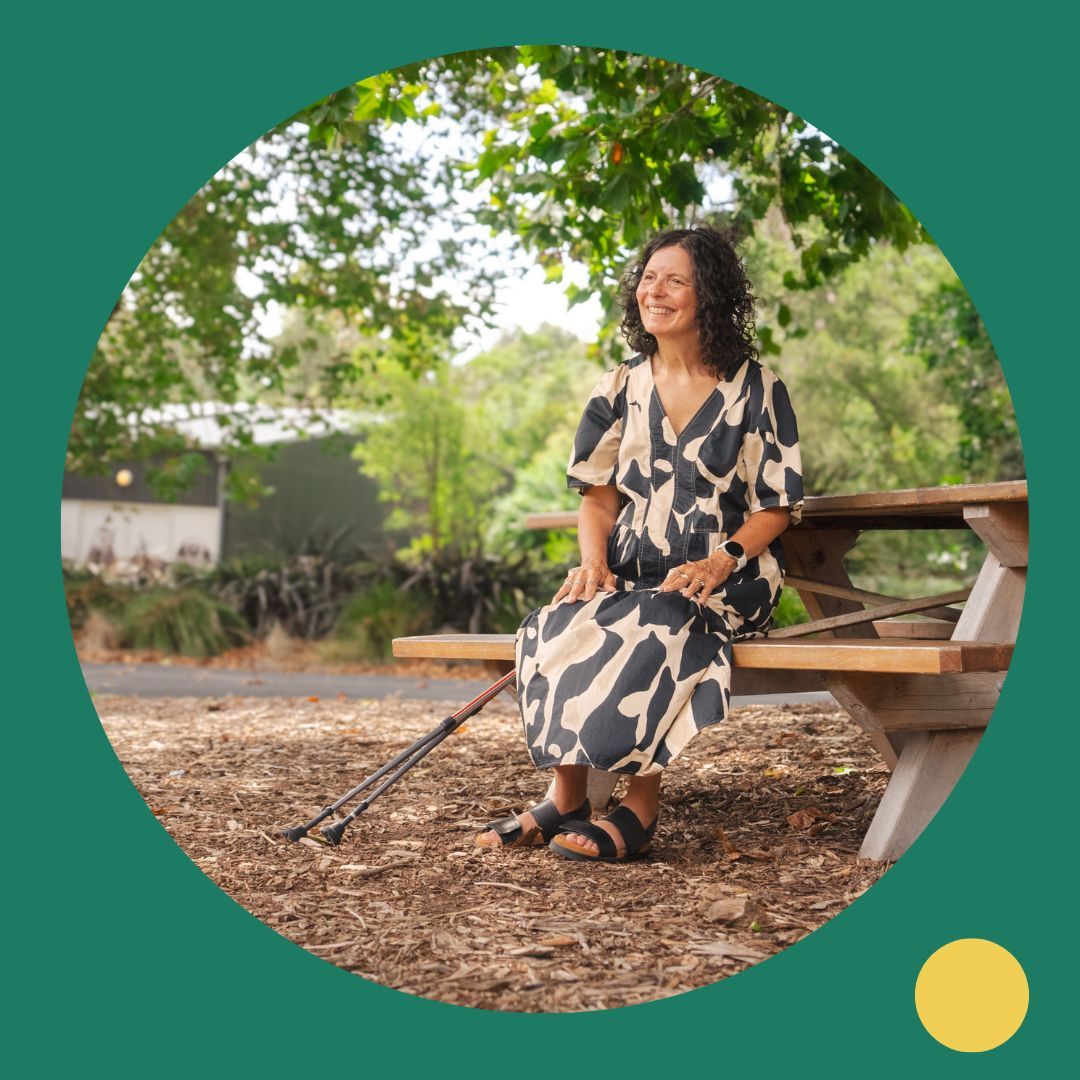
Photo provided curtesy of CPSN
Finding the right support
What I eventually discovered completely changed my understanding of what was possible.
Much of what I thought was irreversible decline was actually the result of untreated weakness, poor muscle activation, and abnormal movement patterns—things that could be improved with the right support.
Finding that support was extremely difficult. After countless referrals and dead ends, I was finally connected with a specialist who recommended surgery, followed by intensive rehabilitation. That was the turning point in my journey.
How the NDIS changed everything
At first, I could only afford physiotherapy once a fortnight. It helped maintain my mobility, but it wasn’t enough to improve it.
When the NDIS became available, I applied and was initially rejected. After appealing, I was accepted—and that’s when I began to experience real progress.
With NDIS funding, I was able to:
- Increase my neurophysiotherapy sessions
- Participate in intensive therapy blocks
- Work consistently with an experienced neurophysiotherapist
These intensive therapy blocks help me build new movement patterns through repetition, while ongoing therapy and daily practice help me maintain and strengthen those gains.
Over time, I progressed from using forearm crutches, to walking poles which is what I currently use to walk independently.
The impact on my everyday life
The benefits of NDIS support go far beyond mobility. It has also reduced my fear of falling and the anxiety I used to feel about leaving the house alone.
Improved movement has allowed me to:
- Exercise daily by going for an hour long walk
- Complete errands independently
- Attend appointments on my own
- Participate fully in family and community life
Just as importantly, it has reduced the pressure on my family. Instead of spending our time together as carers and care recipient, we can be a family.
Why ongoing NDIS support matters
Physiotherapy is not a one-time intervention for someone with cerebral palsy. It requires ongoing, repetitive practice with a trained neurophysiotherapist.
Even though I exercise daily, I cannot independently identify or correct abnormal movement patterns. Without professional guidance, I gradually develop compensations or go back to old patterns that increase fatigue, pain, and the risk of injury.
Without ongoing NDIS-funded therapy:
- My mobility would decline
- My risk of falls would increase
- I would become more reliant on mobility aids and support from others
This support is not optional—it is what maintains my independence and prevents my mobility from declining.
Living a full and meaningful life
Seven years ago, before I commenced neurophysiotherapy I believed I was losing my ability to walk.
Today, I:
- Walk independently for an hour every day for exercise
- Complete errands on my own
- Participate fully in my family and community
These outcomes are not accidental. They are the result of years of consistent therapy, intensive rehabilitation, and daily practice—supported by the NDIS.
The NDIS hasn’t just improved my mobility. It has enabled me to live a full, independent, and meaningful life that every person deserves the opportunity to achieve.
The NDIS hasn’t just improved my mobility. It has enabled me to live a full, independent, and meaningful life that every person deserves the opportunity to achieve.
