
Hospital Care and Accommodation Tips for People with Cerebral Palsy
My CP Guide recently hosted an insightful webinar focused on helping individuals with cerebral palsy (CP) and their families access the right hospital care and accommodation when it matters most.
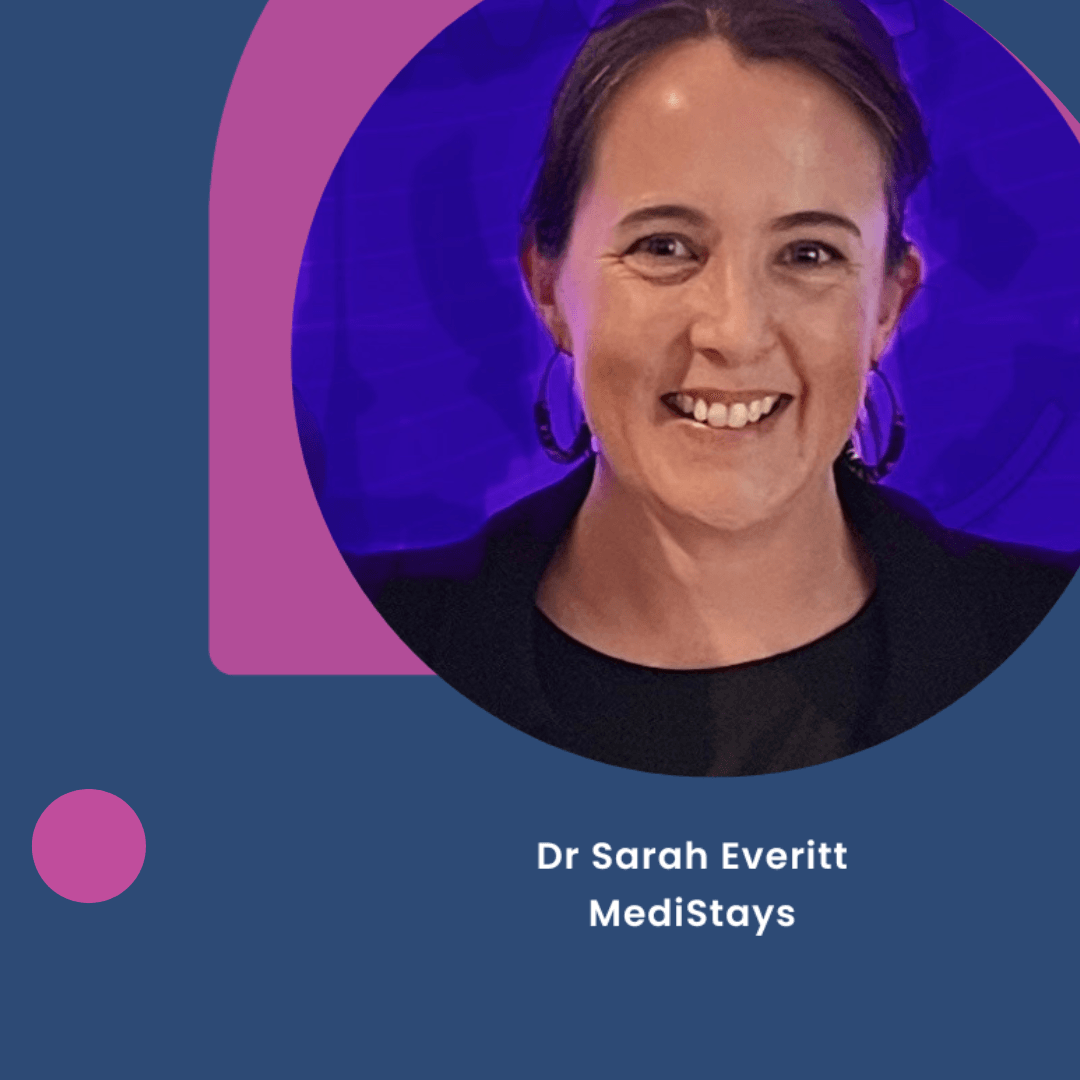
The session was presented by Dr. Sarah Everitt PhD, Managing Director and Founder of MediStays, Australia’s leading accommodation and care service for people on a health or disability journey.
The discussion brought together practical advice, lived experiences, and essential resources for the CP community.
Why Hospital Stays Are Different for People with CP
Dr. Everitt highlighted that CP is a highly complex condition, and hospital visits can be especially challenging for those living with CP. She emphasised the importance of self-advocacy as well as time management when preparing to go to hospital:
• Advocacy: Individuals and families should feel empowered to communicate their unique needs to hospital staff, especially regarding mobility, communication, and care routines, as many health professionals may not be familiar with the specific needs of people with CP.
• Time Management: Hospital visits and travel often take longer for people with CP, particularly those with complex physical or communication needs. Planning extra time for travel, appointments, and recovery is crucial to reduce stress and improve outcomes.
Accommodation Options Near Hospitals
Finding the right place to stay during hospital visits is a major concern, especially for those traveling from rural or regional areas. Dr. Everitt outlined three common scenarios:
1. The person with CP stays near the hospital with family or carers.
2. The person with CP stays alone.
3. Family or carers stay nearby while the person with CP is admitted.
She explained the types of accommodation available, including commercial hotels, apartments, and patient lodges, and stressed the importance of verifying accessibility features. MediStays uses a detailed accessibility review process, often involving people with lived experience of disability, to ensure accommodations meet real-world needs.
Key considerations when booking accommodation:
• Accessibility of bathrooms and kitchens
• Proximity to the hospital and parking
• Cost and available subsidies
• Bedding configurations and amenities
Financial Assistance for Travel and Accommodation
Many families are unaware of state and territory-based Patient Assisted Travel Schemes (PATS), which can help offset the costs of travel and accommodation for medical care. Dr. Everitt provided an overview of these schemes, noting:
• Each state/territory has its own eligibility criteria and subsidy rates.
• Subsidies rarely cover the full cost, but can make a significant difference.
• Some states require pre-approval, while others (like Victoria) require families to pay upfront and claim later.
She encouraged participants to research their local scheme and apply for support whenever possible.
Preparing for Hospital Procedures
Preparation is key to a smoother hospital experience. Dr. Everitt discussed:
• Medication: Ensure all regular and emergency medications are packed, and inform staff about any special requirements (e.g., for spasms or pain).
• Communication Aids: Bring any necessary devices (e.g., speech-generating devices, eye-gaze technology) and inform staff about how best to communicate.
• Accessibility Needs: Notify the hospital in advance if you require equipment like hoists or specific positioning during procedures.
• Emergency Kit: Consider preparing a “go bag” with essentials, including snacks, hydration, and a list of needs to hand to hospital staff.
NDIS Funded Services for Accommodation
The NDIS does not cover travel to accommodation, but Dr. Everitt mentioned that NDIS participants can apply for the following accommodation types to be included within their plan as a stated support:
• Medium Term Accommodation (MTA)
• Specialist Disability Accommodation (SDA)
• Supported Independent Living (SIL)
• Short Term Accommodation (STA)
Lived Experiences and Practical Tips
Participants shared personal stories that highlighted tips and common challenges:
• Accessing NDIS Supports in Hospital: Hospital staff may not be able to assist with all daily living tasks, and NDIS-funded carers are often restricted in what they can do in hospital settings.
• Disability Liaison Officers: These staff can help advocate for patients’ needs and coordinate supports, but are not available in all hospitals.
• Emergency Identification: Wearing a medical alert bracelet with key information (e.g., allergies, medication sensitivities, emergency contacts) can be lifesaving.
Want to Find Out More?
You can also learn more about the proper hospital care and accommodation for individuals with CP by watching the replay of the webinar here:
Webinar: Accessing the right hospital care and accommodation when you need it most | My CP Guide
