
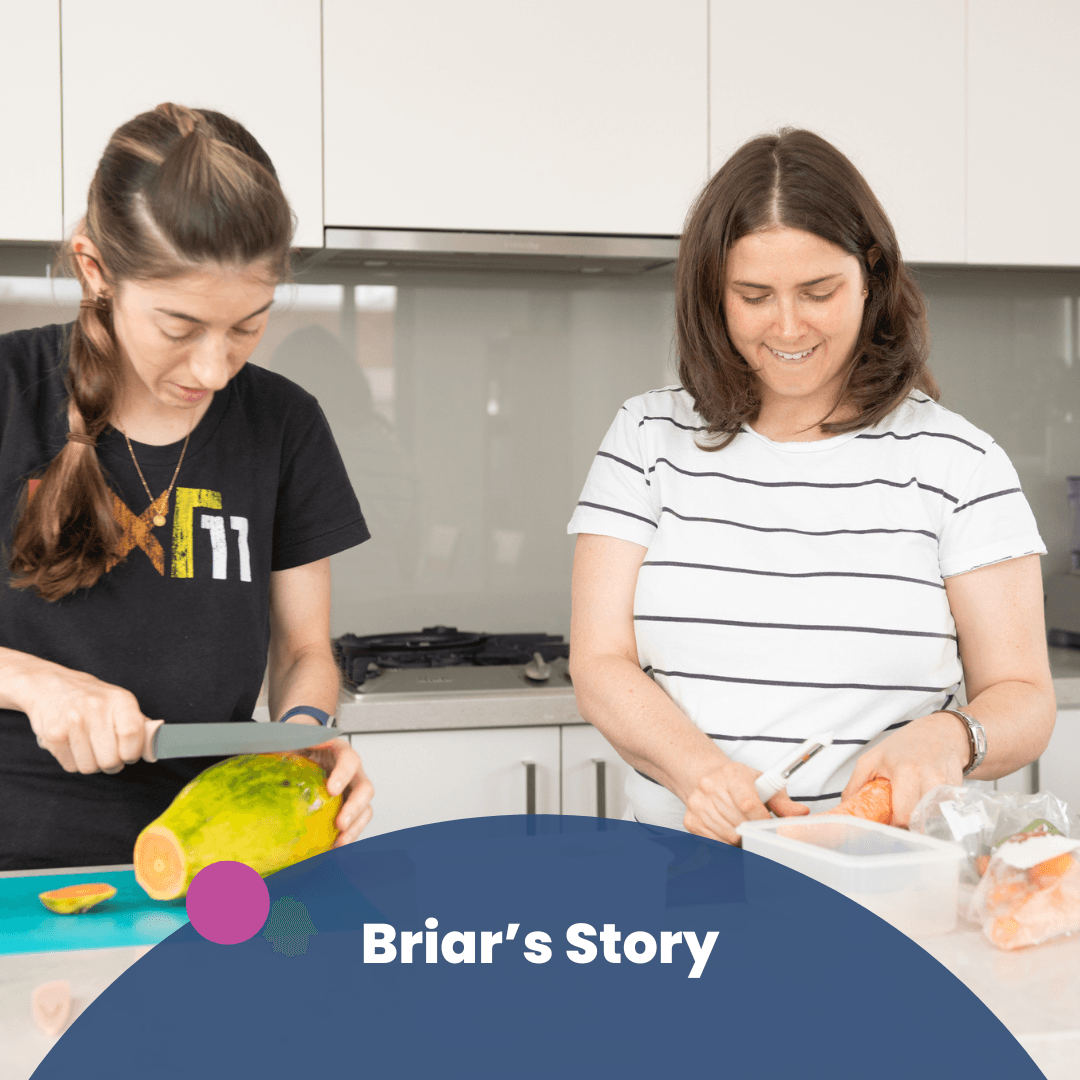
Briar, an adult with cerebral palsy, reflects on her experiences of forming new friendships as a person with visible disability.
Nine months ago I moved cities. I moved from the city I had lived in for over three decades. I had friends from every stage of my life, starting from preschool, through to school, and into the world of adulthood. I said goodbye to these friends at my wedding reception, as I prepared to move and join my husband in a new city.
The friends I left behind knew me and my cerebral palsy. For the most part they knew my limitations. They knew what I could do and could not do. I didn’t have to explain who I was and what I was doing. They knew that I was fairly independent.
The friends that I had picked up along the way, are no longer there to catch up during the week or on the weekend. A few have come to visit me, and I go back ‘home’ to see people as much as I can. However, friendships are important to me, and therefore I am keen to form friendships in the new city that I live in. But this seems like an unnerving task.
I now find myself sitting across a table from people who barely know me and the thought comes across my mind, "How do I explain my cerebral palsy to this person?"
How do I explain that I have difficulty cutting up food on my plate or that it might be messy when I eat? How do I explain at a party that I need someone to help me serve food onto my plate or pour me a drink? How do I explain that it is easier for me to drink out of a water bottle than a glass?
Then I find that I come across people who are surprised that I can drive myself or get around in the community independently. They make all sorts of assumptions, such as I must have a modified car or that going shopping by myself must be a rare thing for me to do.
I am caught between wanting to be seen as this ‘normal’ independent person who can do what everyone else does, to then longing for the understanding that I have limitations. It is much easier to be surrounded by the people who know me best and automatically help me with the tasks that I need help with and leave me to get on with the tasks that I can do, despite it taking me a little longer.
I end up taking a big breath and gaining the courage I need to say to the person in front of me, “I have cerebral palsy and I can’t do …” or “I have cerebral palsy and I need help with…” or “Yes, I do have cerebral palsy but I am still able to …”. I nervously await their response to see if they will accept me for who I am and whether a friendship will likely form.
Friendships can be difficult for all adults to form, but they can be even harder for someone who has an obvious disability.
A person's disability can often be left unspoken as no adult wants to say the wrong thing in case they offend the person with a disability. It means the person with the disability is often left in an awkward situation of not knowing if they address ‘the elephant in the room’, and explain they might need some help. You equally don’t want to be seen as the needy person that people don’t want to form friendships with.
So I decide to put a smile on my face and walk into a room full of people who don’t know me, and see where the conversation leads. I have learnt that if you come across as friendly and approachable, that more often than not people are willing to get to know you, and as you get to know each other, you are more likely to be willing and understand the limitations that every person has.

For more information about friendships and other relationships as a person with cerebral palsy, My CP Guide has curated a variety of resources in the Relationships topic category.