

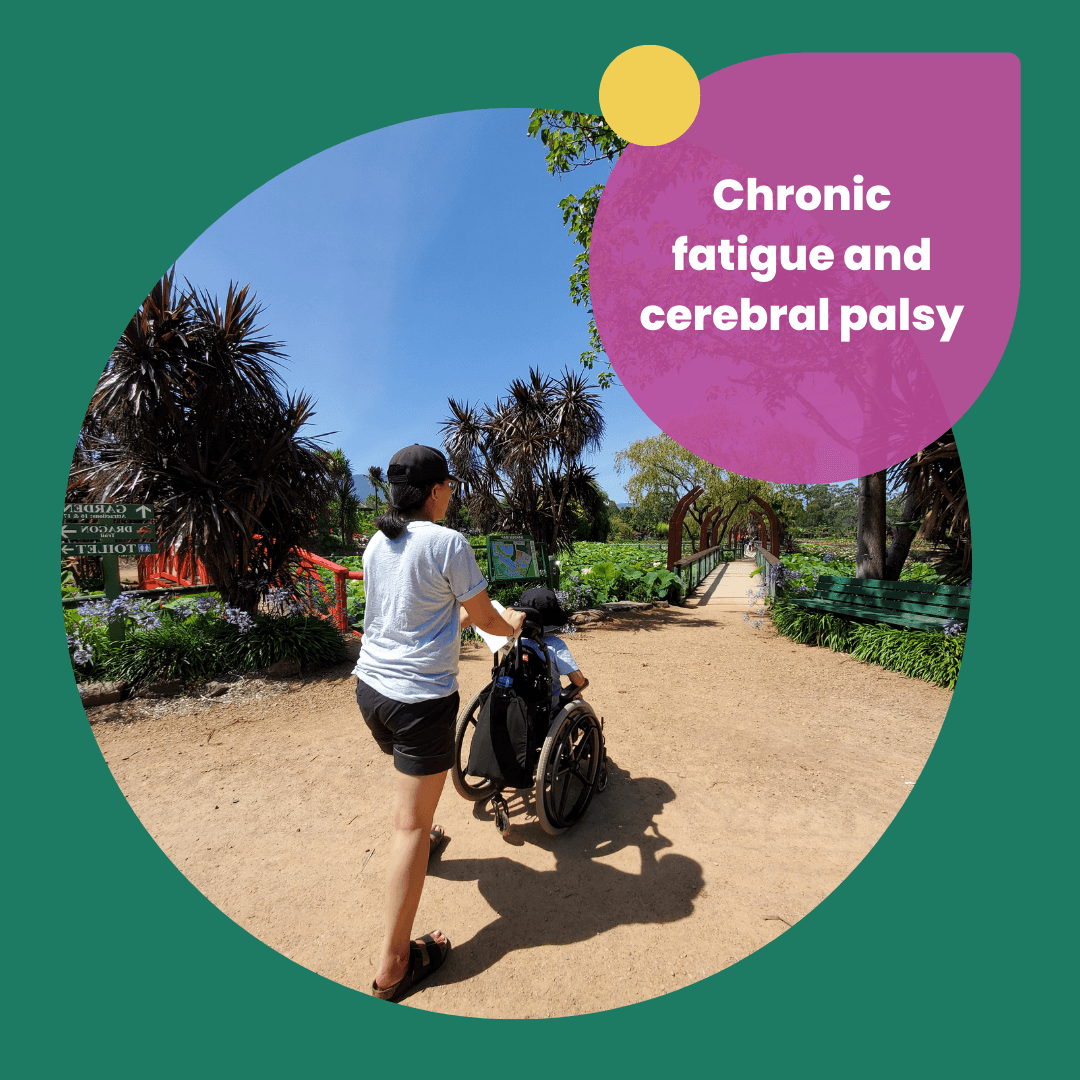
Audrey, mother of a young child with cerebral palsy, shares her advice about strategies for managing fatigue.
Living with cerebral palsy comes with physical challenges, but one of the most overlooked struggles is chronic fatigue. My son, Chandler, experiences this daily because his muscles have to work much harder than others to complete even the simplest movements.
Most people don’t realise how exhausting it is for someone with cerebral palsy to go through a normal day. Tasks that seem effortless—standing, walking, or even sitting upright—require extra energy as his body works to maintain balance and stability. Over time, this leads to increased fatigue and the need for more rest than others might expect.
Over the years, we’ve had to learn how to manage Chandler’s energy levels, balance his commitments, and, most importantly, help him listen to his body without guilt.
Why does cerebral palsy cause fatigue?
Cerebral palsy affects muscle tone, movement, and coordination, which means every motion takes more effort than it would for someone without cerebral palsy. Even at rest, Chandler’s muscles can be working overtime, leading to higher energy consumption and quicker exhaustion.
This means that even though he may want to do the same activities as his friends, his body doesn’t always cooperate. Some days, he has plenty of energy, while on others, he needs extra breaks to recover. Learning to balance his energy has been key to helping him enjoy life without constant exhaustion.
How we manage Chandler’s energy levels
1. Prioritising rest without guilt
One of the biggest lessons we’ve learned is that rest is not laziness—it’s necessary. Chandler has to listen to his body and take breaks when needed, even if that means saying no to plans or resting during the day.
We’ve created a flexible routine that allows him to conserve energy. Some days, he wakes up feeling great and can do more, while on others, he needs extra time to recharge. We remind him that pushing through exhaustion only leads to more fatigue later.
2. Energy conservation strategies:
Since Chandler loves being independent, we’ve found ways to help him save energy where possible:
- Using mobility aids smartly Walking requires more energy, so he uses his wheelchair when needed, especially for long distances or busy days.
- Breaking tasks into smaller steps Instead of doing everything at once, he spreads tasks throughout the day.
- Planning around energy levels We schedule important activities earlier in the day when he has more energy and avoid back-to-back commitments.
3. Choosing activities that bring joy (and are worth the energy)
Because Chandler’s energy is limited, we encourage him to spend it on things that bring him joy. He loves travelling, trains, and trams, so we plan trips that balance fun with breaks.
One of his biggest joys is driving his wheelchair during school excursions. Since he dreams of being a tram or train driver, being able to "drive" something independently is a huge confidence boost. It’s moments like these that remind him that even though his energy is limited, his potential is not.
4. Nutrition and hydration
Fatigue isn’t just about physical exertion—what Chandler eats and drinks makes a difference too. We focus on:
- Staying hydrated to avoid unnecessary tiredness.
- Eating balanced meals with enough protein, healthy fats, and complex carbohydrates to keep his energy levels stable.
- Avoiding energy crashes from too much sugar or processed foods.
5. Accepting that some days are just hard
There are days when even the best strategies don’t work, and Chandler still feels completely drained. On those days, instead of getting frustrated, we remind him that his body is doing its best. He’s learned to be kind to himself and rest when needed, knowing that tomorrow is a new day.
A message to others with cerebral palsy and fatigue
If you or your child experiences chronic fatigue with cerebral palsy, know that you’re not alone. It’s okay to take breaks, to use mobility aids when needed, and to prioritise your health over expectations. Fatigue doesn’t mean you’re weak—it just means you need to manage your energy wisely.
Chandler has learned that even though his energy is limited, his dreams aren’t. And as his mother, I will always support him in finding the balance between pushing forward and knowing when to rest.
For more information about fatigue and pain management, My CP Guide has curated resources on a variety of topics for all ages: Pain management
You can follow more of Audrey’s and Chandler’s cerebral palsy journey by visiting their Instagram page: https://www.instagram.com/mommyisstilllearning
