
Finding disability pride and connection through books
In 2026, one of my dreams came true.
I saw my name on the front cover of a book, in bookshops all over so-called Australia.
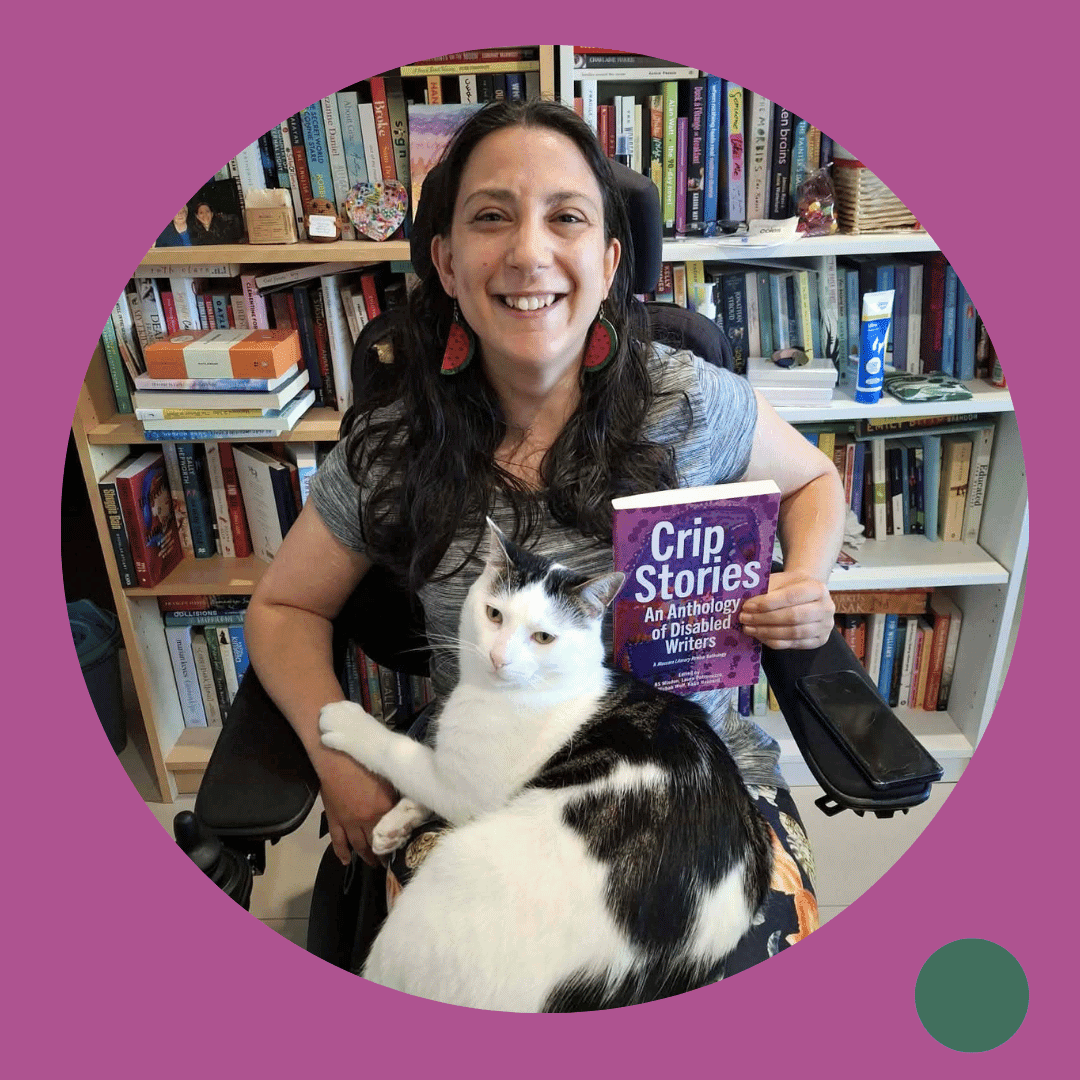
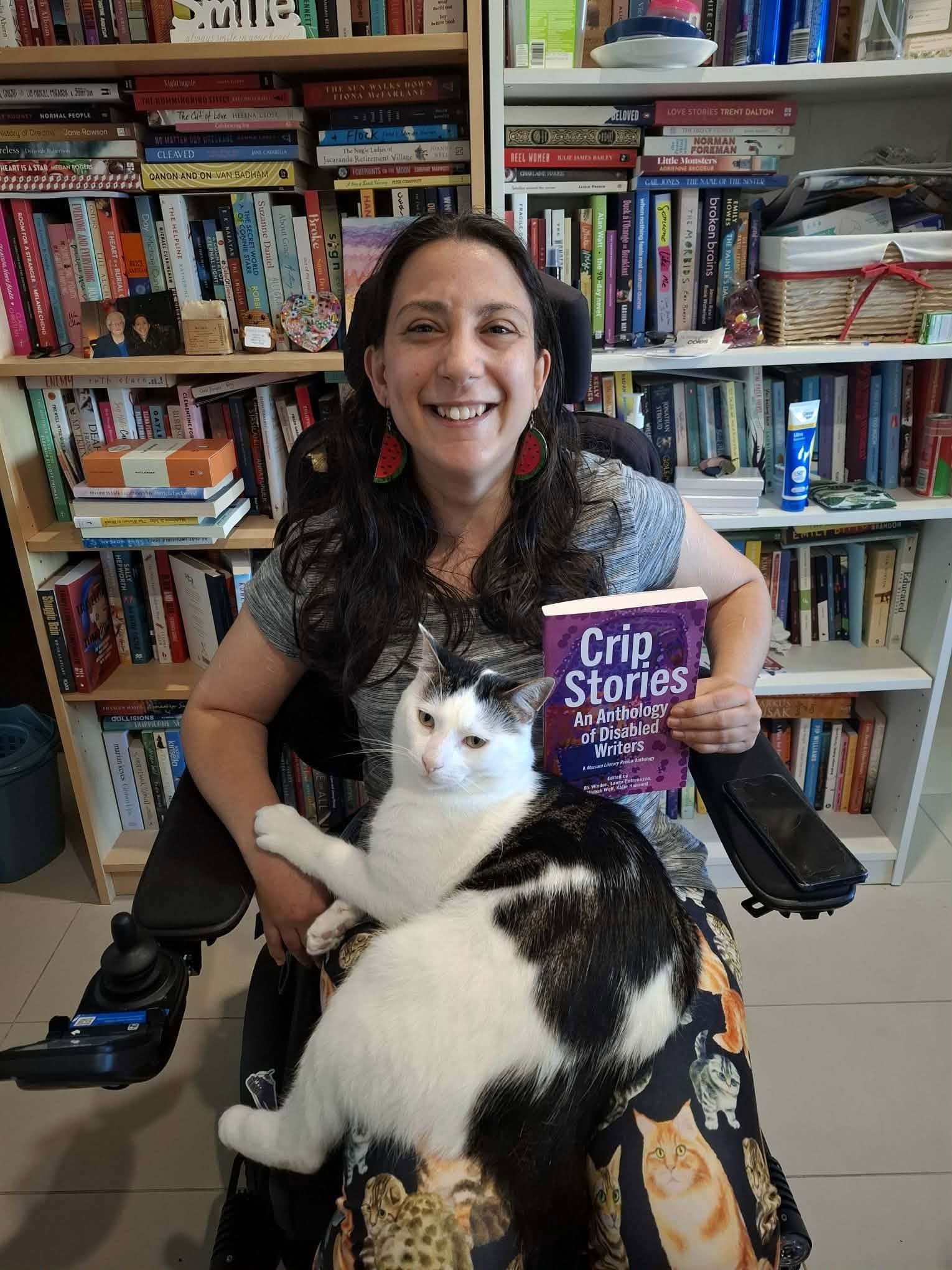
The book is called Crip Stories: an anthology of disabled writers, and I co-edited it, along with my friends BS Windon, Misbah Wolf and Katie Hansord.
I’ve been imagining being able to call myself a published author ever since I’d understood that such a thing were possible, that it wasn’t the unattainable achievement I’d always imagined but instead the result of talent, luck and a lot of hard work. I couldn’t control the first two, but I resolved to write as much and as well as I could. One day, I hoped, it would pay off.
When I began to embrace my disabled identity, I turned to books.
That hard work turned into blog posts for disability organisations, and then articles for mainstream news outlets. Followed by a short story in an anthology by a small publisher (thank you, Busybird Publishing!) and book reviews in several online journals. Of course, alongside producing all these words, I kept consuming them too.
When I began to embrace my disabled identity, I turned to books. Luckily, there were several anthologies waiting for me. I started with Disability Visibility (edited by Alice Wong) and Growing Up Disabled in Australia (edited by Carly Findlay). I learned so much from those collections. I think about them often and return to them when ableism is taking a toll and I need a dose of dopamine and disability pride.
I felt spoilt for choice as I read We’ve Got This (edited by Eliza Hull), Someone Like Me (edited by Jo Case and Clem Bastow) and Beauty is a Verb (edited by Sheila Black et al).
A book might reduce shame or foster pride. It might provide an hour or even a moment of entertainment. It might make readers feel less alone.
Each anthology is an invaluable opportunity. For me, as the reader, to explore new forms and voices and content. For the contributors, whose work reaches an audience it might not otherwise.
The same is true for Crip Stories. From hundreds of entries, we chose less than 40 for publication, focusing on the voices and stories that have been most marginalised. We wanted this collection to make publishing more accessible for the writers involved, wanted its content to challenge oppressive power structures and embody the principles of disability justice. We wanted to make something that mattered.
Having said all that, as much as I’m proud of this collection, I know that there’s still so much work to do to make publishing – and the world – better. That work must involve more than words. I might be a booklover but I’m also realistic. I know that a book will never feed starving families or dismantle ableism or stop a genocide.
But that doesn’t mean it’s not important. A book might reduce shame or foster pride. It might provide an hour or even a moment of entertainment. It might make readers feel less alone. This book, Crip Stories, might make a difference, however small, to someone who reads it.
If it’s done that, it’s done more than enough. And so have I.
You can buy a copy of Crip Stories from your local book shop. Or you can borrow the eBook or physical copy from your library. Audiobook coming soon!
