
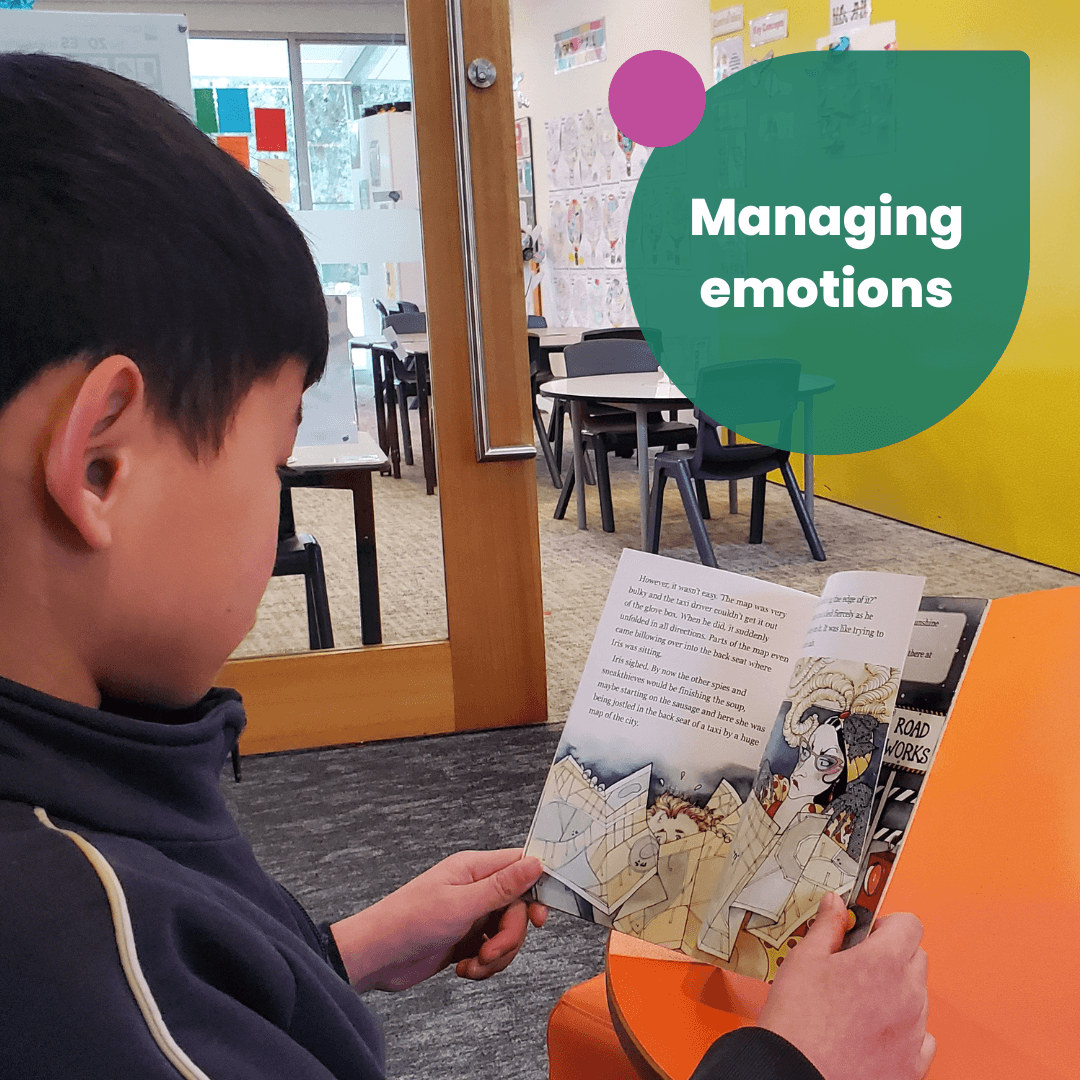
Audrey, mother of a young child with cerebral palsy, reflects on her family's strategies for managing the emotional side of cerebral palsy.
As a parent, watching my son Chandler grow up with cerebral palsy has been a journey filled with love, learning, and moments of deep reflection. While physical challenges are a big part of his daily life, the emotional side of cerebral palsy—the feelings of comparison, self-doubt, and frustration—has been just as significant.
No matter how much we encourage our children, they are bound to notice the differences between themselves and their peers. For Chandler, those moments have come in waves, and as his mother, I’ve had to learn how to support him through them.
When Comparison Creeps In
From a young age, Chandler was aware that he moved differently from other kids. He used a walker when his classmates could run freely. He needed AFOs for support while others walked unaided. And as he got older, the differences became more noticeable—not just to him, but to the world around him.
There were times when he would ask, “Why can’t I run like my friends?” or say, “I wish I could walk without my walker.”
Those words would break my heart because I knew that no amount of reassurance could completely erase those feelings. The reality was that no matter how much we focused on what he could do, there would always be moments when he felt the weight of what he couldn’t.
Finding Confidence in His Own Path
One of the biggest turning points in Chandler’s confidence came when we signed him up for modelling. At the time, he was struggling with self-esteem—he had a feeding tube, was the only child in kinder using mobility aids, and often felt like he stood out for the wrong reasons.
Modelling gave him something new to focus on. Instead of seeing his differences as something to hide, he started to see them as something that made him unique. Being in front of the camera helped him see his own beauty, strength, and individuality in a way he hadn’t before.
It didn’t erase the self-doubt completely—nothing ever does—but it gave him a way to take ownership of his story.
How We Navigate Moments of Doubt
Even now, there are days when Chandler struggles with feelings of comparison. But over the years, we’ve found ways to work through them together:
- Acknowledge the Feelings – Instead of brushing off his frustrations, I let him express them. It’s okay to feel sad, frustrated, or even angry sometimes.
- Shift the Focus – When he feels discouraged about what he can’t do, we remind him of what he can do. Whether it’s excelling in his reading, spelling, or landing another modelling gig, we celebrate his achievements.
- Surround Him with Encouragement – Whether it’s family, friends, or teachers, having people who see his potential and remind him of his worth makes all the difference.
- Faith and Perspective – We remind Chandler that he was made with a purpose, and in God's image. His challenges don’t define him—his strength, determination, and heart do.
At school, one of Chandler’s favorite things is when his friends get excited about him driving his own wheelchair during incursions and excursions. They think it’s super cool, and Chandler loves it because he dreams of being a tram or train driver one day. Since he isn’t able to drive a car yet, being able to control his wheelchair independently is so special for him—it’s his own way of "driving." Seeing his friends cheer him on and celebrate this ability makes him proud of what he can do, rather than focusing on what he can’t.
A Message to Other Parents
If your child is struggling with self-doubt, know that you’re not alone. It’s not always easy to watch them go through these emotions, but your love and support matter more than you realize. Encourage them, remind them of their strengths, and help them see that their differences make them extraordinary.
Chandler’s journey with cerebral palsy has taught me that confidence isn’t about never feeling self-doubt—it’s about learning how to push through it and embrace who you are. And as a mother, that’s all I could ever want for him.

For more information about managing confidence and mental health for people with cerebral palsy, My CP Guide has curated resources on a variety of topics for all ages: Mental health
You can follow more of Audrey’s and Chandler’s cerebral palsy journey by visiting their Instagram page: https://www.instagram.com/mommyisstilllearning