
Key Insights from Our Disability Employment Australia Webinar
Employment can provide more than a pay cheque. It can offer purpose, independence, social connection, confidence and opportunities for personal and professional growth. Yet many people with cerebral palsy continue to face unnecessary barriers when looking for work, applying for jobs and progressing in their careers.
To help address these challenges, Cerebral Palsy Australia recently partnered with Disability Employment Australia (DEA) to deliver a Lunch and Learn webinar for employment service providers. The recording is now available, giving employers, employment professionals and the broader community the opportunity to learn directly from people with lived experience of cerebral palsy.
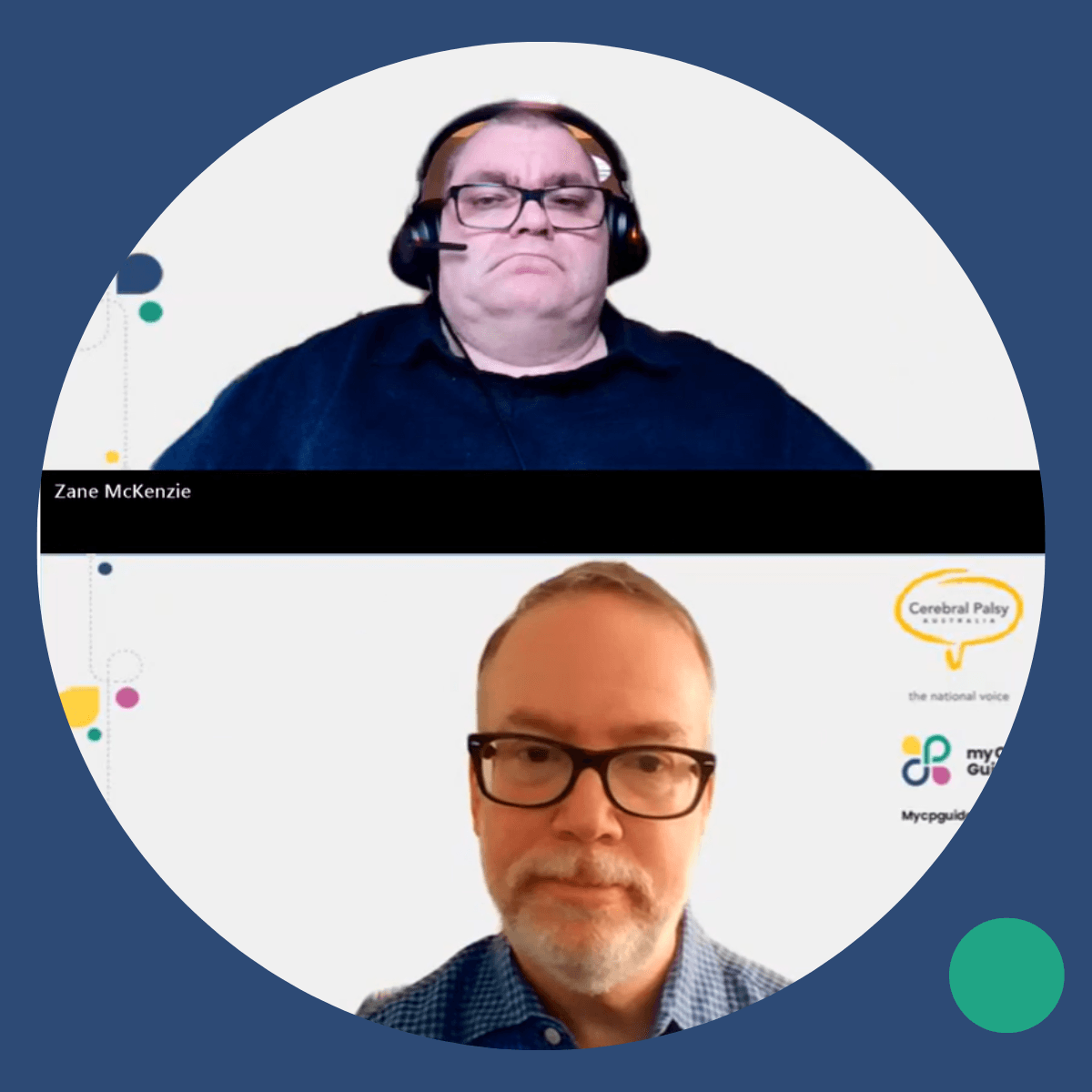
Presented by CPA Chair Zane McKenzie and CPA Board Director Wade Costley, the session explored how employment professionals can better support people with cerebral palsy to find, secure and thrive in meaningful employment.
External Content
What does this mean?
We've sourced this content from a third party. At the time we published this, we decided it was useful and valuable information.
Because we aren't in control of the original file, we aren't able to guarantee the quality of the content will always be up to our standards.
Key takeaways
- Cerebral palsy affects everyone differently.
- Never assume capability based on appearance, mobility, communication style or support needs.
- Focus on a person's strengths, skills and aspirations.
- Remove barriers from recruitment and hiring processes.
- Workplace adjustments are often simple, practical and highly effective.
- Employment can provide connection, purpose, independence and opportunity.
Understanding cerebral palsy
Cerebral palsy (CP) is a lifelong physical disability caused by damage to the developing brain. It primarily affects movement, posture and coordination, but the impact varies significantly from person to person.
Some people may use mobility aids, experience fatigue, pain or communication differences, while others may require few or no workplace adjustments. There is no single experience of cerebral palsy, which is why individualised support is so important.
Challenging assumptions about capability
A central theme of the webinar was the importance of challenging assumptions.
People with cerebral palsy are often underestimated because of visible physical differences, speech variations or support requirements. However, CP does not determine a person's intelligence, skills, qualifications, ambition or career potential.
One of the strongest messages shared during the webinar was:
Never assume capability based on appearance, mobility, communication style or support needs.
The person themselves is the expert in their own experience and should be actively involved in conversations about employment supports and workplace adjustments.
Understanding barriers to employment
The webinar explored barriers that people with cerebral palsy can experience throughout the employment journey.
These can include:
- Low expectations and unconscious bias
- Inaccessible recruitment and assessment processes
- Assumptions about productivity or capability
- Interview locations that are difficult to access
- Limited opportunities for work experience and networking
Many of these barriers have little to do with a person's ability to perform a role and much more to do with how recruitment and workplace systems have been designed.
Supporting success in the workplace
The discussion focused on practical strategies that can support success in the workplace.
Examples of workplace adjustments may include:
- Flexible or hybrid work arrangements
- Accessible workstations and equipment
- Voice recognition technology
- Additional breaks where needed
- Accessible parking or transport supports
These adjustments help create equitable opportunities for participation and success.
Five principles for supporting employment success
1. Lead with strengths
Focus on skills, qualifications, interests and aspirations rather than diagnosis.
2. Understand individual needs
Every person with cerebral palsy is different.
3. Normalise workplace adjustments
Adjustments should be viewed as practical tools that help people perform at their best.
4. Build employer confidence
Employers often benefit from practical information and guidance around inclusion and accessibility.
5. Provide ongoing support
Employment success is about more than securing a job. Ongoing support can help people build sustainable careers.
Employment matters
Employment can provide:
- Financial independence
- Choice and control
- Social connection and belonging
- Personal growth and achievement
- Increased confidence and self-determination
Employment is not only about income—it is about participation, opportunity and inclusion.
Together, we can challenge assumptions, focus on strengths and create more opportunities for people with cerebral palsy to participate fully in employment and build the careers they choose

Watch the webinar: Supporting Success for People with Cerebral Palsy in Employment
To learn more about employment and cerebral palsy download: Employment Journey Handbook
